Developing Recruitment and Career Guidance Programs: Building a More Stable Organization
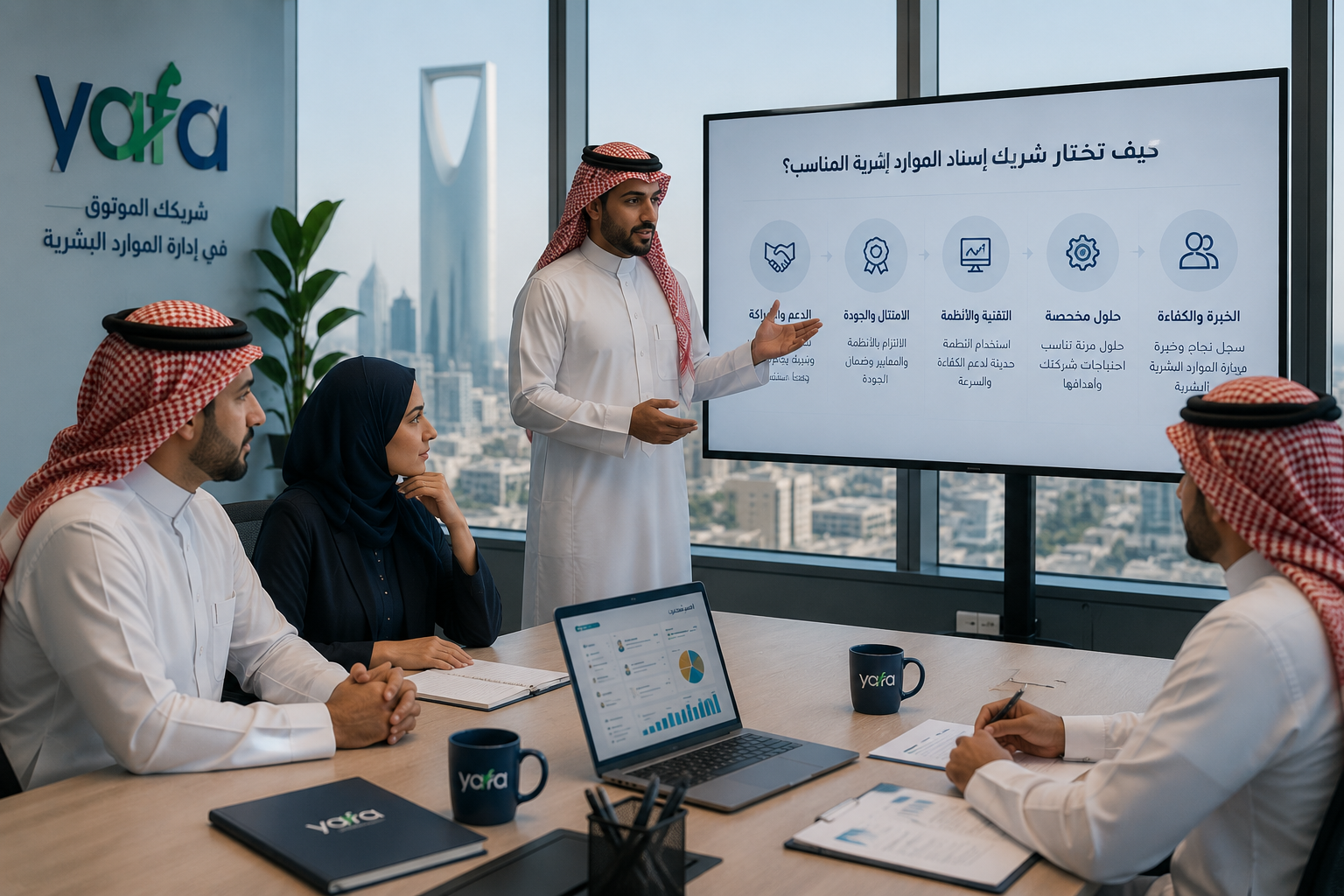
Why recruitment programs need structure
In a market moving as quickly as Saudi Arabia, recruitment is no longer a transaction. Companies that treat hiring as a structured program — built on clear job design, defined competencies, and onboarding that lasts beyond the first month — see materially lower turnover and faster ramp-up.
Three foundations that change the outcome
- Clear job architecture: every role described in measurable responsibilities, not generic templates copied between companies.
- Selection grounded in fit: structured interviews and short technical assessments instead of CV impressions.
- Onboarding as an operational layer: the first ninety days are designed, monitored, and reviewed — not left to a line manager's availability.
Career guidance: the part most organizations skip
Career-guidance programs answer a question every employee silently asks: where can I grow inside this company? When the answer is clear, attrition drops and internal mobility replaces external hiring on a meaningful share of openings.
Outcome
An organization that treats recruitment and career guidance as connected disciplines — not separate HR tasks — operates with a more stable workforce and a measurably lower cost of turnover. That is the operating model we help clients put in place.